IESCO Bill Online 2025 | Official View Free Download Your Duplicate Bill
IESCO Bill is an electric company that supplies electricity to 5 districts, including Lahore, Okara, Sheikhupura, Nankana, and Kasur. It works under national energy policies and follows set rules. However, rising demand creates pressure on systems and staff.
App Name | IESCO Bill |
|---|---|
Size | 24.5 MB |
Version | V1.0.40 |
Developer | |
Prize | Free (0$) |
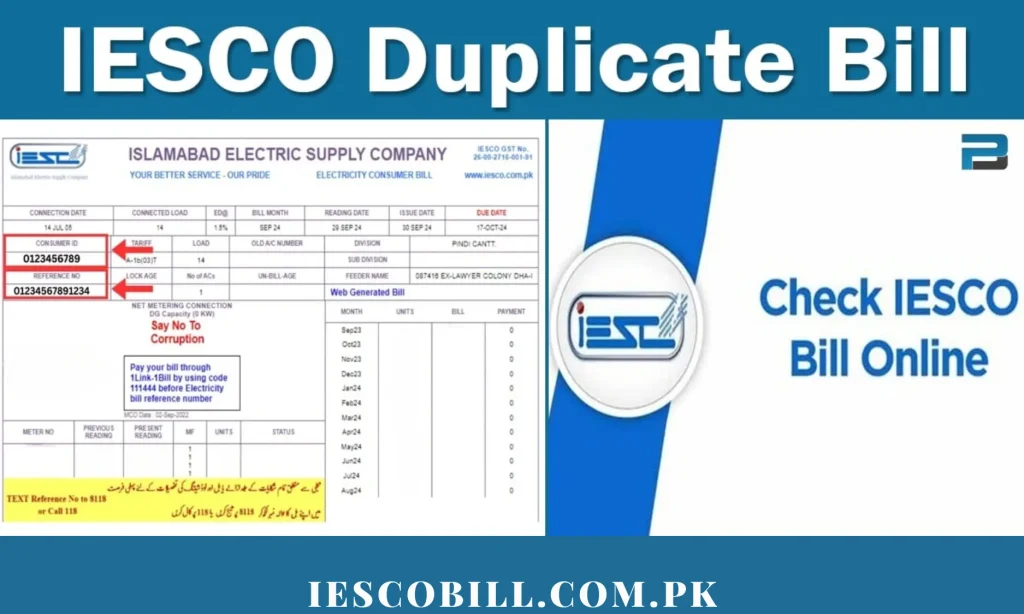
How to get IESCO Duplicate Bill?
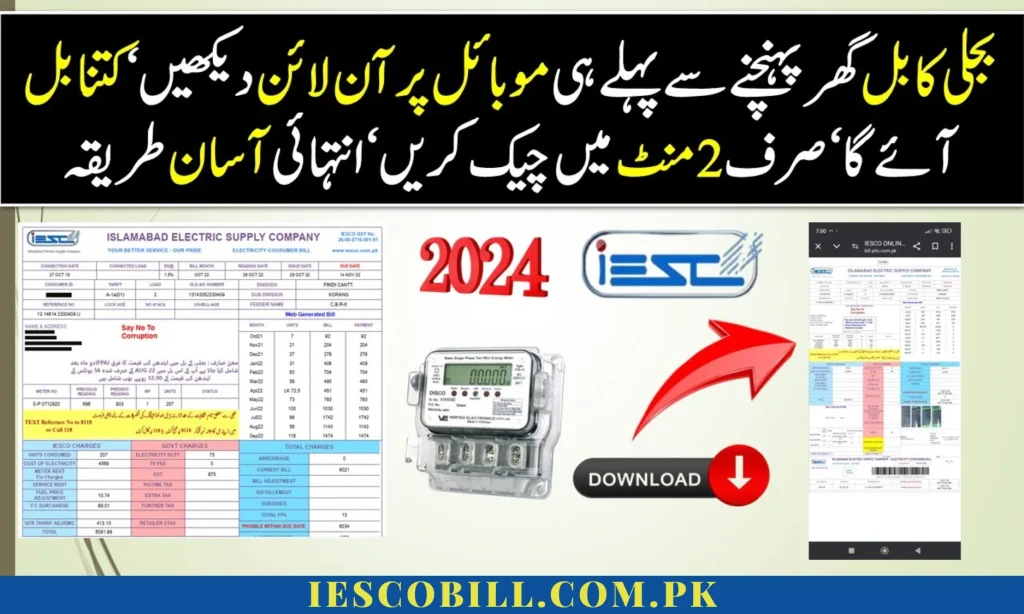
The IESCO Bill online service lets users check their electricity bills without visiting offices. This page lets you view charges, due dates, and payable amounts in just a few seconds. It also supports fast access on mobile and desktop devices. However, many people lose paper bills every month. Therefore, an online option saves time and effort for everyone. The tool works by using a simple reference number. You enter the number and get the bill instantly.
Also, the system clearly shows the current units and the previous balance. Users can download a duplicate copy in PDF form. Meanwhile, printing the bill at home avoids long queues. The process is free and open all day. It fits busy routines and remote access needs. Families and businesses both benefit from this method. Finally, the goal is to make bill checking simple, fast, and stress-free for all users across service areas. This guide explains the steps in clear, easy language. Also check another best game in pakistan X111 Game and BetAA Game.
How to check the IESCO Bill Online 2026?
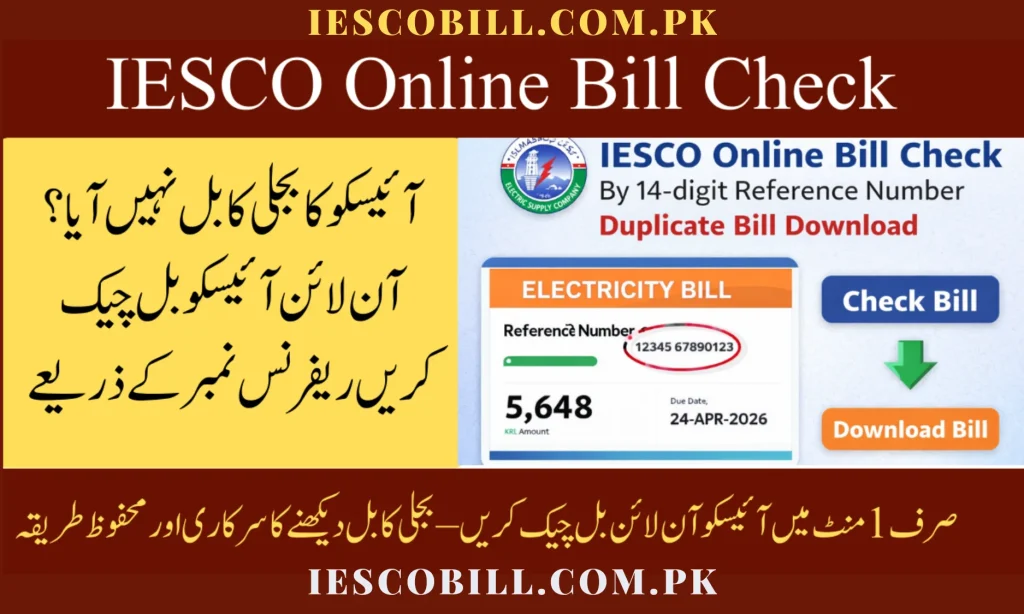
IESCO Bill checking online is quick and simple in 2026. You only need an internet connection and a reference number. Open the bill check page and type the number carefully. Click the check button to view details. The screen shows units, amount, and due date. However, this method removes the need to wait in lines. Therefore, users can manage bills from home. You can easily save or print the bill. Also, the tool works on phones and computers. This process helps users stay updated, avoid late fees, and plan monthly electricity expenses without stress for all household electricity users nationwide.
Check the Electricity Bill with Customer ID
Checking an electricity bill with a customer ID is simple and fast. You enter the customer ID in the search box and submit the request. The system fetches billing details in seconds. There is no need to carry the papers. You can check your bill online and pay it. Therefore, users can track charges, download copies, and plan payments without delays or confusion for homes and offices.
What is the IESCO Bill Reference Number or Customer ID?
What is a reference number or customer ID? It is a unique code printed on every electricity bill. This number links the user to billing records and usage data. However, many people confuse it with meter numbers. The reference number stays the same for each connection. It helps systems fetch bills quickly. Therefore, entering the correct number is very important. Without it, online bill checks cannot work. Also, the code helps track payments and past bills. IESCO Bill uses this number to identify consumers, manage records, and provide fast digital services. It supports billing accuracy and smooth service delivery for users.
Where to get the IESCO Reference Number or Customer ID?
Get Reference Number or Customer ID From Old Bills
Old electricity bills are the easiest way to find your reference number or customer ID. The number is printed clearly at the top or middle of the bill. You can check both the paper and the downloaded copies. However, keep bills safe for future use. This method works even if the connection is inactive.
Find Reference Number With CNIC
You can also find the reference number using your CNIC through official systems. This option helps users who lost their bills. Therefore, it is useful for new or busy users. You must enter your correct personal details to avoid errors. IESCO Bill allows this method for identity-based bill access.
Find Ref No From IESCO Bill Online Check Portal
The online portal offers another simple way to recover the reference number. You enter basic connection details and submit the form. Also, the system shows the required number instantly. This option works on mobile and desktop devices. IESCO provides this service to support digital access.
Customer Service Center
Visiting a customer service center is a direct option for help. Staff members verify your details and share the reference number. You can check the status of your issues and get help if needed.
Introduction to IESCO Bill
IESCO is an electric company that supplies electricity to 5 districts, including Lahore, Okara, Sheikhupura, Nankana, and Kasur. It works under national energy policies and follows set rules. However, rising demand creates pressure on systems and staff. Therefore, planning and monitoring remain important. The organization regularly maintains power lines, meters, and substations. Digital services help users check bills and submit complaints online. Also, field teams work day and night to restore supply during faults. Offices and control rooms coordinate operations across regions. Training programs improve workers’ safety and skills. Overall, the company supports daily life, business activity, and economic growth across its service areas.
Service Area and Distribution Operations
Geographic coverage (districts served)
It supplies electricity to 5 districts, meeting all their needs. Urban areas require a steady supply to support business activity. Rural zones depend on power for water and farming. However, demand levels change by location and season. IESCO Bill manages defined districts to keep coverage organized. Clear boundaries help teams respond faster to faults and outages across service regions.
Organizational structure (circles, divisions, subdivisions)
The distribution system follows a clear working structure. Areas are divided into circles, divisions, and subdivisions. Each level has fixed duties and control limits. Officers supervise staff and guide daily tasks. Field teams handle repairs, maintenance, and inspections. Therefore, work flows smoothly without confusion. Reporting lines help track progress and delays. This structure supports coordination between offices and teams. It ensures better control over large service areas and faster response during emergencies.
Electricity distribution network
The distribution network includes grids, feeders, transformers, and meters. Power moves step by step from stations to end users. Equipment safety is very important for a steady supply. Regular checks reduce breakdown risks. Also, load balancing protects transformers from damage. Teams monitor voltage levels and faults daily. Maintenance schedules lower outage chances. A strong network supports homes and businesses. Good planning helps manage peak demand and keeps electricity flowing safely across connected areas.
Consumer categories
Consumers are grouped based on electricity usage type. These groups include domestic, commercial, agricultural, and industrial users. Each category has different load needs and tariff rules. Meanwhile, planning depends on these groups to balance demand. Large users need a controlled supply. Homes need safe and affordable access. IESCO Bill designs services around consumer categories. Finally, clear grouping supports fair billing, better load control, and smooth service delivery for all electricity users.
Infrastructure and Technological Systems
Grid structure and substations
The power system relies on a grid structure and substations. These stations receive high-voltage electricity and reduce it for safe use in homes and businesses. Power then moves to feeders and local transformers. This setup helps control load and prevent equipment damage. However, growing demand puts pressure on older stations.
SCADA and digital monitoring
SCADA systems at IESCO Bill help control and monitor electricity flow in real time. Operators can see load changes, faults, and outages on screens. This allows quick decisions and faster repairs. Therefore, downtime becomes shorter, and service quality improves. Digital monitoring also helps with planning and load balancing. A remote control reduces manual work. These systems improve accuracy and response time. They help staff manage networks more effectively and maintain supply during peak usage periods.
Smart metering (AMI project)
Smart meters record electricity use automatically and send data to billing systems. These meters reduce human error and remove the need for manual readings. Also, users get bills based on exact usage. Smart metering helps detect theft and unusual patterns early. Data sharing improves transparency. The AMI project supports fair billing and better control. It helps users understand consumption and supports modern energy management for future digital services.
IT and billing systems
IT and billing systems manage customer records, usage data, and payments. Bills are generated automatically and stored safely. Online access allows users to view their history and dues. Meanwhile, automation reduces delays and mistakes. Secure systems protect data and support reporting. IESCO Bill uses modern software to improve accuracy and speed. Finally, strong IT systems support smooth billing, faster service, and better customer experience across the electricity network.

Performance Metrics and Service Efficiency
Network losses and theft
Network losses happen due to technical faults and illegal connections. Old wires and weak transformers increase loss during transfer. Theft also adds pressure on the system and reduces supply quality. However, regular inspections help find problem areas early. Data checks highlight unusual usage patterns. Field teams act to remove illegal links. IESCO Bill works to reduce losses through monitoring and upgrades. Lower losses improve efficiency, protect equipment, and help ensure fair electricity use for all consumers.
Revenue recovery rates
Revenue recovery shows how well billed amounts are collected on time. Strong recovery supports maintenance and system upgrades. Delays can affect daily operations and service quality. Therefore, clear bills and easy payment options matter. Digital records help track dues and reminders. Field follow-ups improve collection in problem areas.IESCO Bill focuses on better recovery to keep finances stable. Healthy cash flow supports repairs, staff work, and long-term planning.
Supply reliability (SAIFI/SAIDI)
Supply reliability measures how often outages occur and how long they last. SAIFI tracks outage frequency. SAIDI tracks outage duration. These indicators help judge service quality. Also, planned maintenance reduces the risk of sudden breakdowns. Fast fault repair improves scores. Control rooms track issues in real time. Better reliability supports homes, shops, and essential services. A stable supply builds trust and reduces disruption in daily activities and business operations.
New connections and customer complaints
New connections show growth in demand and service reach. Fast processing improves user satisfaction. Complaint handling shows service strength. Meanwhile, digital systems speed up applications and tracking. Clear timelines reduce confusion. Feedback helps improve weak areas. Finally, better complaint resolution builds trust. IESCO Bill reviews these metrics to improve efficiency, reduce delays, and enhance the overall consumer experience.
Customer Services and Facilitation
Customer Service Centers and one-window operations
Customer service centers provide direct help for billing, connections, and complaints. One-window counters reduce visits and save time. Staff guide users through forms and requirements. Clear signs help visitors move easily. Waiting areas support comfort during busy hours. However, peak days can increase the rush. IESCO runs these centers to improve access and trust. Standard procedures ensure fair handling. Records are updated on the spot. This setup enables faster solutions to common consumer issues.
Mobile and digital services (app, SMS, online billing)
Mobile and digital services help users manage accounts from home. Apps show bills, dues, and history. SMS alerts share updates and reminders. Online billing reduces paper use and delays. Secure logins protect user data. Therefore, tasks finish quickly without office visits. Systems work on phones and computers. Simple menus support easy use. Digital tools cut errors and improve accuracy. These services support busy users who need quick access.
Helplines and public interface
Helplines provide voice support for faults, bills, and guidance. Trained agents record complaints and share case numbers. Call tracking helps follow progress. Public desks handle walk-in questions. Clear scripts improve response quality. Also, feedback channels collect suggestions. Response times matter for satisfaction. Regular reviews improve service flow. IESCO maintains these interfaces to connect with users and resolve issues promptly and clearly.
Complaint redressal and facilitation desks
Complaint redressal desks focus on timely fixes and updates. Requests are logged with details and priority. Field teams receive tasks quickly. Status messages keep users informed. Escalation rules handle delays. Meanwhile, facilitation desks assist with documents and forms. Clear timelines reduce confusion. Coordination improves outcomes. Finally, it reviews trends to prevent repeat issues and strengthen customer confidence.
Governance and Organizational Structure
Board and CEO roles
The board sets policy, approves budgets, and guides long-term goals. The CEO runs daily operations and turns plans into action. Clear roles support checks and balances across leadership. However, decisions rely on reports, audits, and targets set each year. IESCO follows formal rules to ensure accountability, transparency, and steady service outcomes. Regular reviews keep priorities aligned and risks controlled.
Field hierarchy (SEs, XENs, SDOs)
Fieldwork follows a clear chain of events from planning to repair. Senior Engineers guide standards and safety. Executive Engineers manage divisions and resources. Sub-divisional officers handle local teams and faults. Therefore, tasks move fast with less confusion and overlap. Reports flow upward daily to track progress and fix gaps early. This structure supports accountability during outages and routine maintenance work.
Specialized departments
Specialized departments focus on finance, planning, IT, and operations. Each unit has defined targets and timelines. Technical teams maintain grids and meters. Audit units check compliance and controls. Also, coordination across units improves results and speeds things up. IESCO benefits through better focus, skills, and problem-solving across complex tasks. Clear ownership reduces delays and supports safer, reliable field outcomes for users.
Human resources and training
HR is responsible for hiring and training the staff. Training builds safety, skills, and service quality. Meanwhile, refresher sessions update teams on new tools. Performance checks guide growth and rewards. Strong HR planning reduces errors and improves response time during fieldwork. Clear communication helps teams consistently meet goals and serve customers better every day.
Gender inclusion and corporate culture
Gender inclusion promotes equal chances and safe workplaces. Policies encourage participation across roles and levels. Finally, awareness programs build respect and teamwork. Additionally, ethics codes support fairness and trust. Thus, the culture stays positive and accountable. IESCO supports inclusion to boost morale, generate ideas, and improve long-term performance for the communities it serves. Training and reporting systems help measure progress and continually improve outcomes.
IESCO Bill Check Challenges
Power theft and technical losses
Power theft and technical losses reduce system efficiency and raise costs. Illegal connections overload lines and damage equipment. Technical loss happens due to old wires and weak transformers. However, regular inspections help detect issues early. IESCO faces difficulty controlling theft in dense areas. Strong monitoring, awareness, and timely action are needed to reduce losses and ensure fair electricity use.
Outdated infrastructure
Outdated infrastructure struggles to keep up with rising demand. Old poles, cables, and transformers fail more often. Repairs take time and affect users. Therefore, upgrades are necessary for a stable supply. Replacing equipment needs funds and planning. Aging systems increase faults and downtime. Modern infrastructure can improve safety, load handling, and service quality across expanding service areas.
Load shedding and supply shortfalls
Load shedding occurs when demand exceeds supply. Peak hours and extreme weather increase pressure. Fuel shortages also impact generation. Also, planned outages protect equipment from damage. Bill IESCO must balance demand and supply daily. Better forecasting and coordination help reduce disruptions. Still, shortages remain a challenge during high usage seasons.
Financial constraints and circular debt
Financial limits affect maintenance and expansion work. Delayed payments reduce available funds. Circular debt blocks timely upgrades and repairs. Meanwhile, recovery drives aim to improve cash flow. Cost control is essential for stability. Budget pressure slows projects and affects service quality. Strong financial planning is needed to support long-term operations.
Customer IESCO complaints and governance issues
Customer complaints can rise due to the power outages. Slow response weakens trust. Clear systems help track and resolve issues. Moreover, governance gaps affect accountability. IESCO uses feedback to find weak areas. Stronger oversight can reduce the number of complaints.
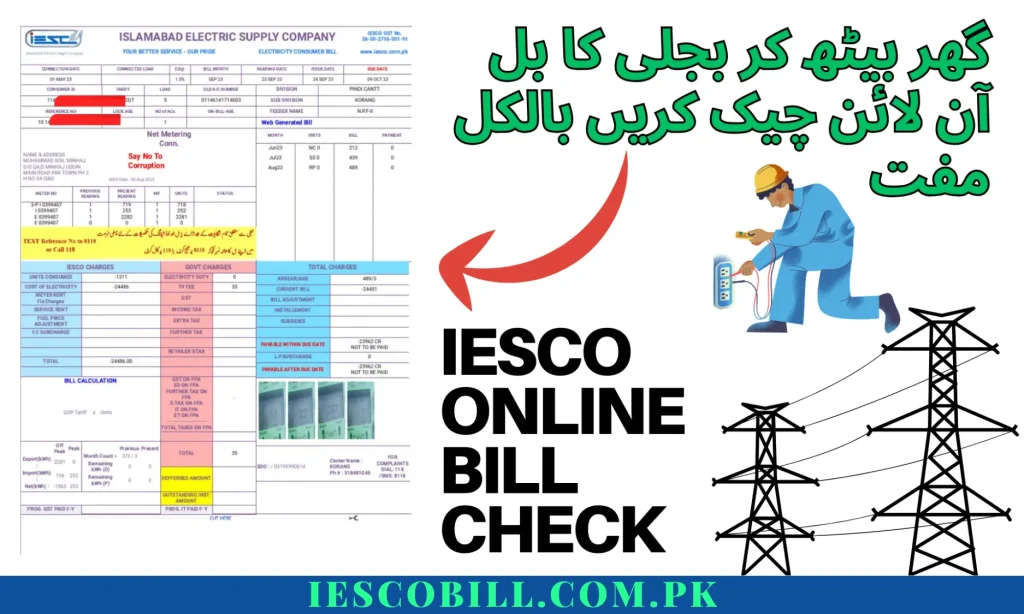
How can you reduce your Electricity Bill?
- Switch off lights whenever one leaves a room.
- Installation of LED bulbs to reduce daily power consumption.
- Disconnect the chargers after charging the devices.
- Use fans instead of air conditioners when it is not hot.
- Adjust the air conditioner to around twenty-six degrees.
- Iron clothes once a week, rather than individual small sessions.
- Wash machines full of clothes.
- Do not use heavy appliances during peak hours.
- Close doors and windows during room cooling.
- Take advantage of natural sunlight.
- Purchase more star-rated energy-saving appliances.
- Repair loose wiring and faulty switches.
- Close the refrigerator seals to ensure proper cooling.
- Monitor monthly units in order to ensure additional consumption is controlled.
- The children should be taught simple habits to conserve electricity.
- Install light timers in the yard and in residential decorations.
- Consider energy-saving tips provided by the IESCO Bill.
How to Pay WAPDA Bill Manually?
Conclusion
IESCO Bill plays a key role in delivering electricity to millions of users every day. This guide covered bill checking, downloads, payments, and service support in simple steps. Therefore, users can manage power needs with less effort and fewer delays. Clear systems help avoid mistakes and late charges. Moreover, digital tools save time for homes and businesses. Reliable information builds trust and confidence. Finally, using online options helps users stay informed, control usage, and plan costs more effectively while enjoying smoother electricity service year-round.